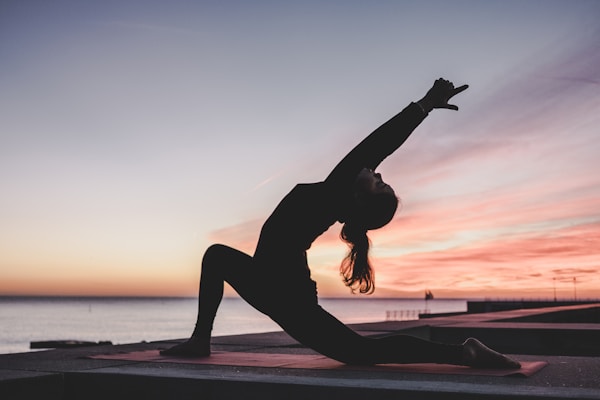
Exercise during pregnancy benefits both you and your baby. Here's how to stay active safely throughout your pregnancy journey.
Benefits of Prenatal Exercise
Regular exercise during pregnancy reduces risk of gestational diabetes, preeclampsia, and cesarean delivery. It helps manage weight gain, improves mood and energy, reduces back pain, and aids postpartum recovery. Active pregnant women often have shorter, easier labors.
Beyond physical benefits, exercise boosts mental health during a time of significant change. It reduces anxiety, improves sleep quality, and provides a sense of control over your changing body. Even on days when everything feels overwhelming, a walk can shift your mood.
Safe Exercises
Walking is safe throughout pregnancy and accessible to most women. Swimming and water aerobics are excellent—they're easy on joints while providing resistance. Stationary cycling is safer than outdoor cycling as pregnancy progresses. Prenatal yoga maintains flexibility and teaches breathing.
Strength training with light weights preserves muscle mass and supports your changing body. Bodyweight exercises like squats, modified push-ups, and lunges are effective. Always exhale during exertion to reduce pressure on the pelvic floor.
Exercises to Avoid
Contact sports and activities with fall risk should be avoided—think basketball, soccer, skiing, and horseback riding. Hot yoga and hot pilates can raise body temperature dangerously. Scuba diving is unsafe—baby's lungs aren't developed to handle pressure changes.
Exercises requiring lying flat on your back after the first trimester restrict blood flow to baby. High-impact plyometric exercises strain joints already loosened by relaxin. Listen to your body—if something feels wrong, stop.
Guidelines by Trimester
In the first trimester, fatigue often limits exercise—listen to your body. Morning sickness may make morning workouts difficult; afternoon or evening may work better. Maintain the habit even if you need to reduce intensity.
The second trimester often brings renewed energy and a visible bump. Adjust exercises for your growing belly—widen your stance for balance, modify ab work. The third trimester requires more modifications—gentle movement and stretching replace high-intensity work.
Warning Signs
Stop exercising immediately and contact your provider for: vaginal bleeding, fluid leaking, chest pain, severe headache, calf pain/swelling, regular painful contractions, decreased fetal movement, or dizziness. These symptoms require evaluation before resuming exercise.
Regular moderate exercise shouldn't cause extreme breathlessness or exhaustion. The "talk test" applies—you should be able to converse while exercising. If you can't speak at all, scale back intensity.
Making It Work
Build exercise into your routine rather than hoping to find time. A 20-minute walk after lunch or dinner is more realistic than an hour at the gym. Prenatal exercise classes provide structure and social support. Partner with your partner or friend for accountability.
Be gentle with yourself. Some days you'll feel strong; others you'll barely manage a walk around the block. Pregnancy is not the time for personal records or weight loss goals. Focus on maintaining health and wellbeing.